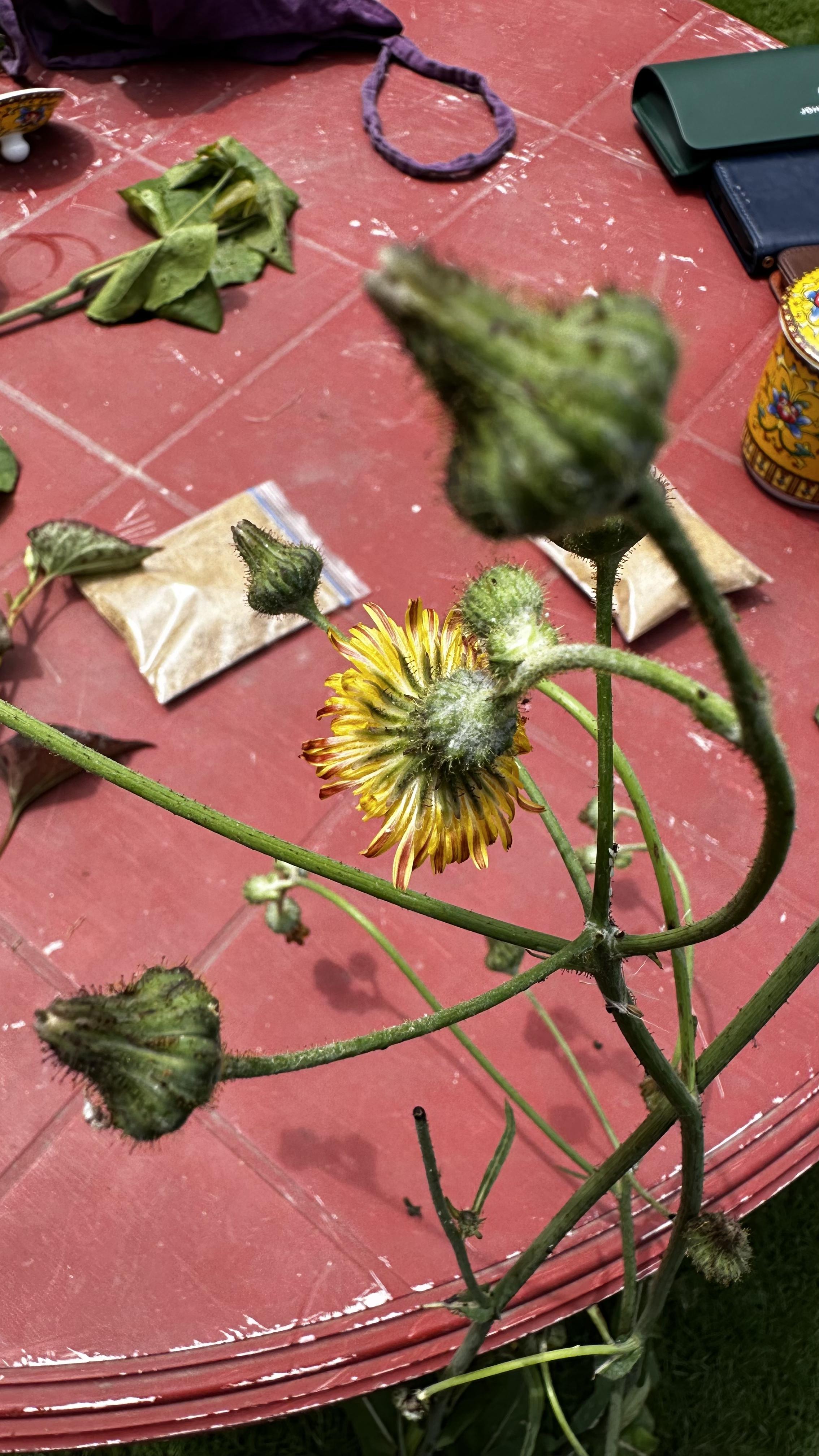
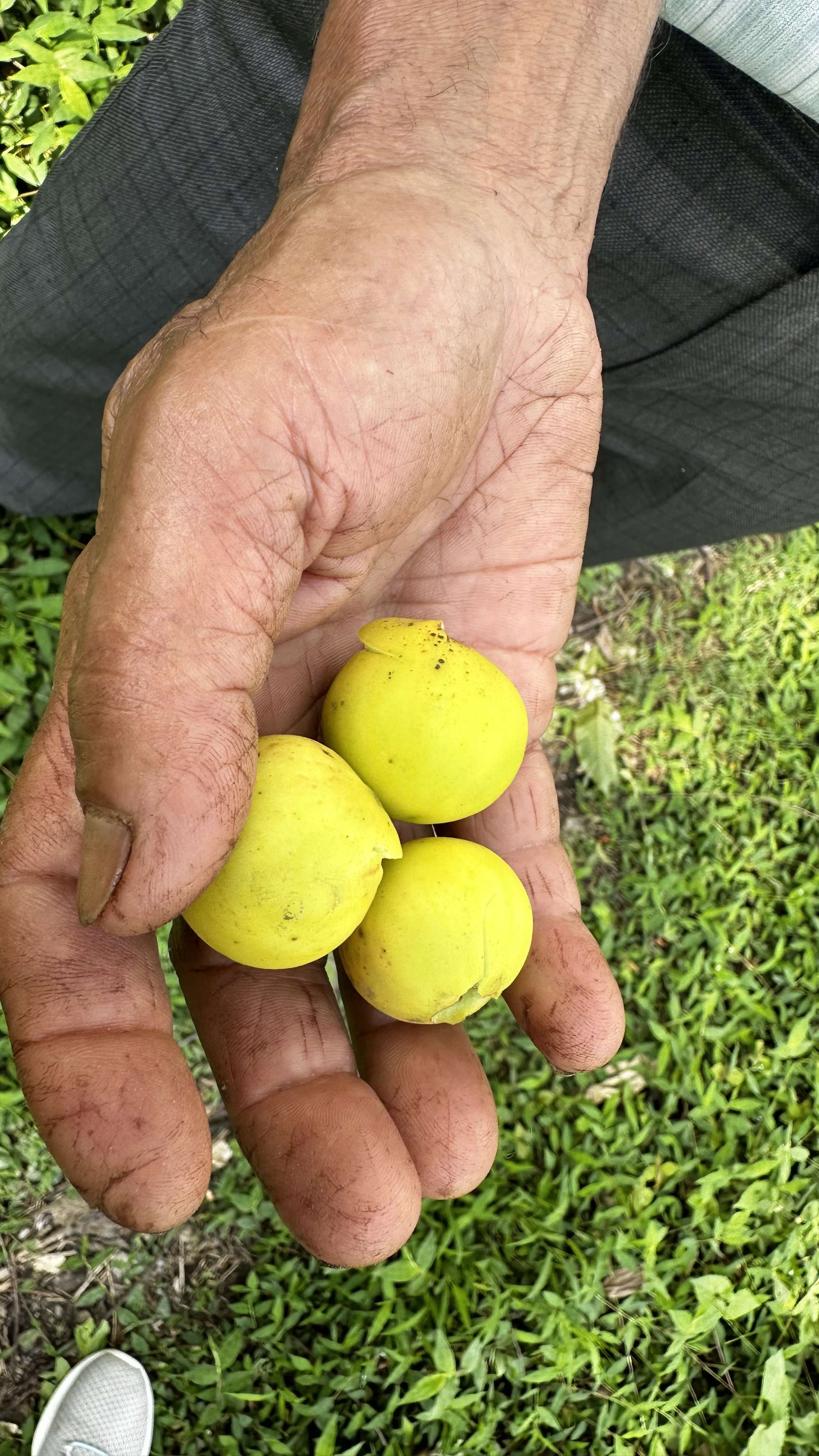
Home-Sick is conceived as a hybrid, multimedia musical performance and installation integrating live sonic improvisation, spoken-word and video projection. The staging of the work explores the relationship between human physiology, the intelligence embedded within matter, and the trans-Himalayan landscape — home to unique medicinal plants and long-evolving healing knowledge systems.
Home-sick is a proposal to explore curative intelligence that traverses matter. The project examines perception as a point of entry into this system of intelligence and considers placebo, surrender, and faith as technologies through which to reflect on disorder, randomness, and uncertainty within the body.
This work is developed in collaboration with composers and musicians from the SilkRoad community, New England Conservatory, Berklee College of Music and MIT Media Lab.
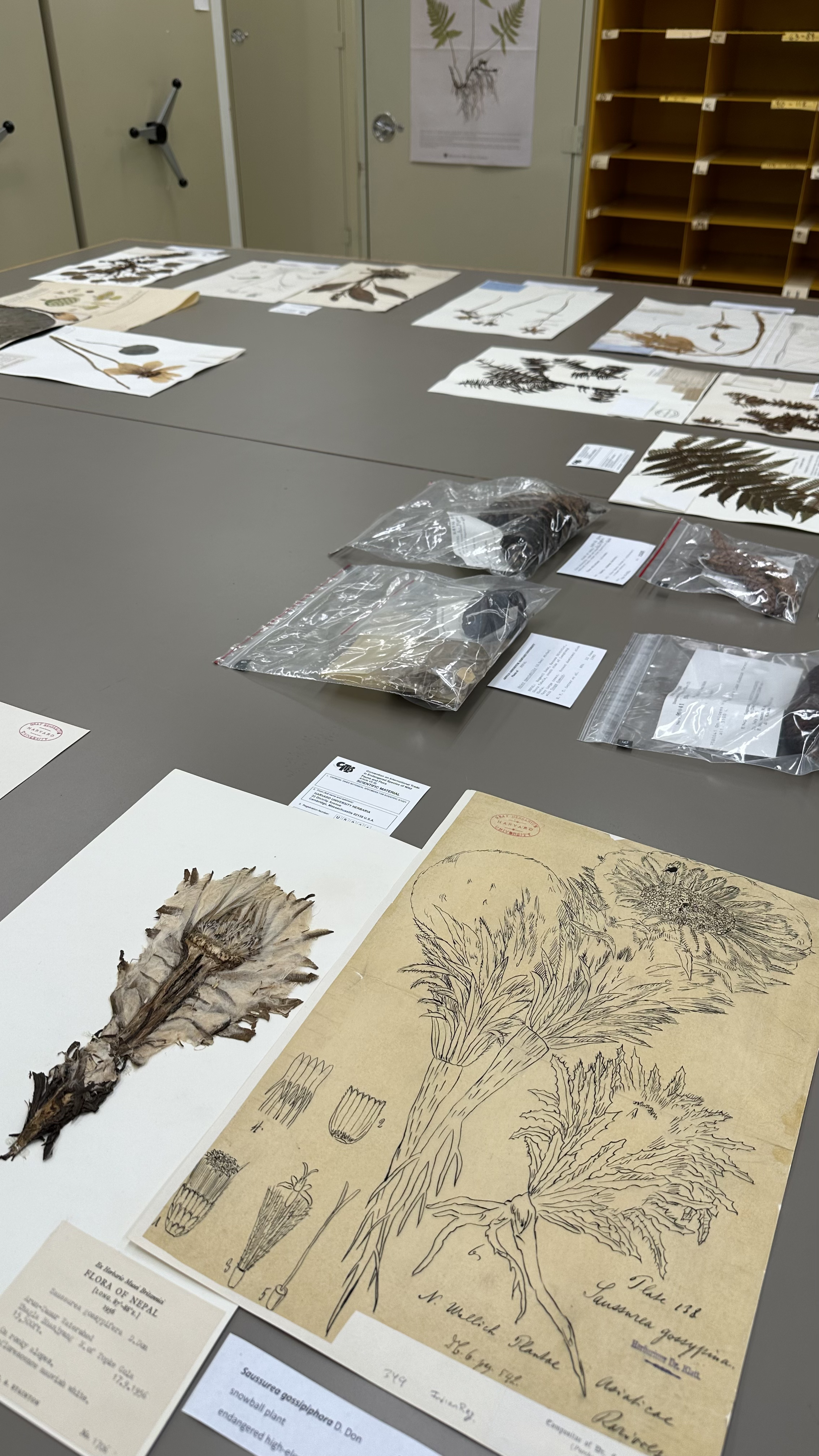
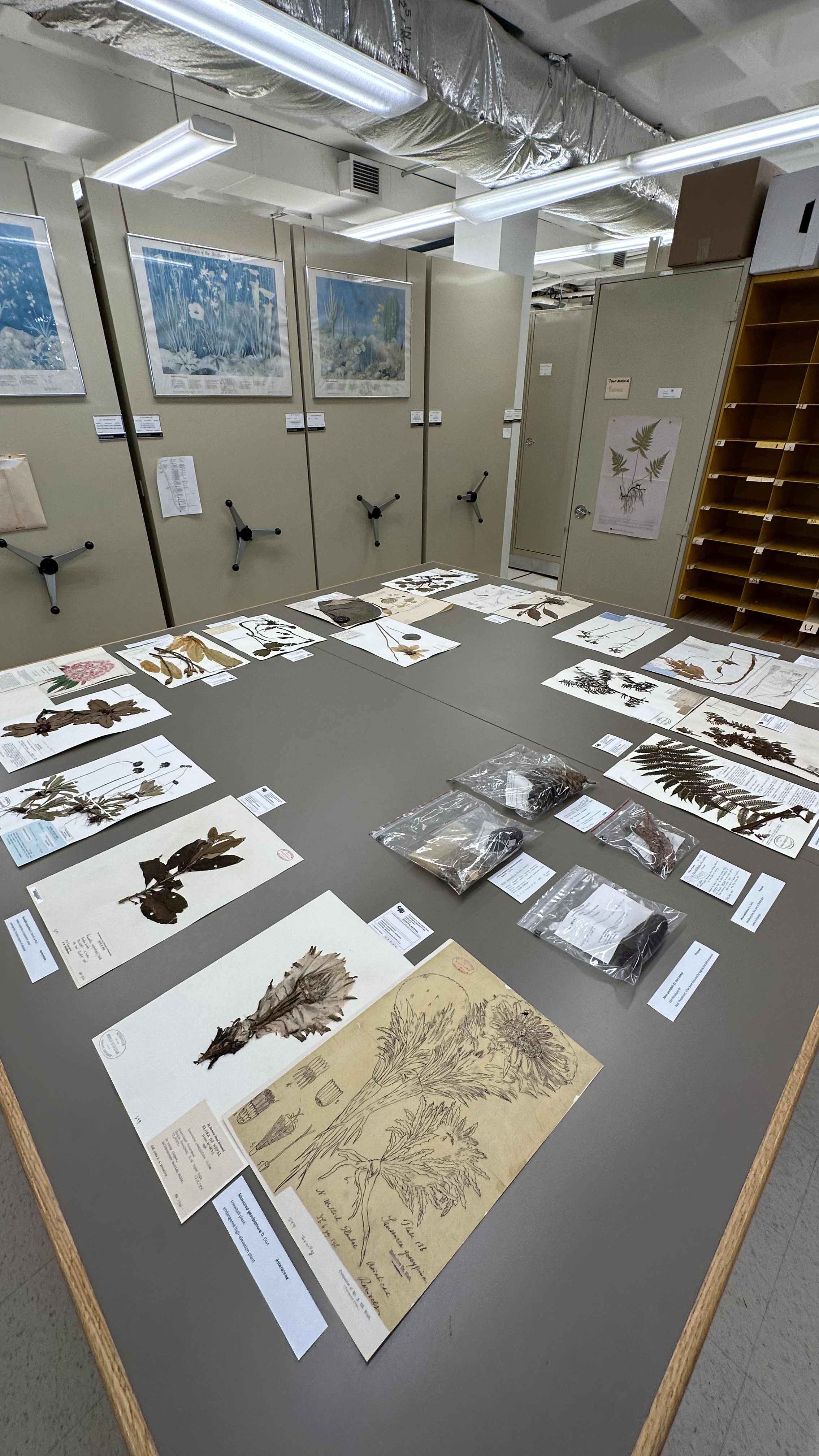
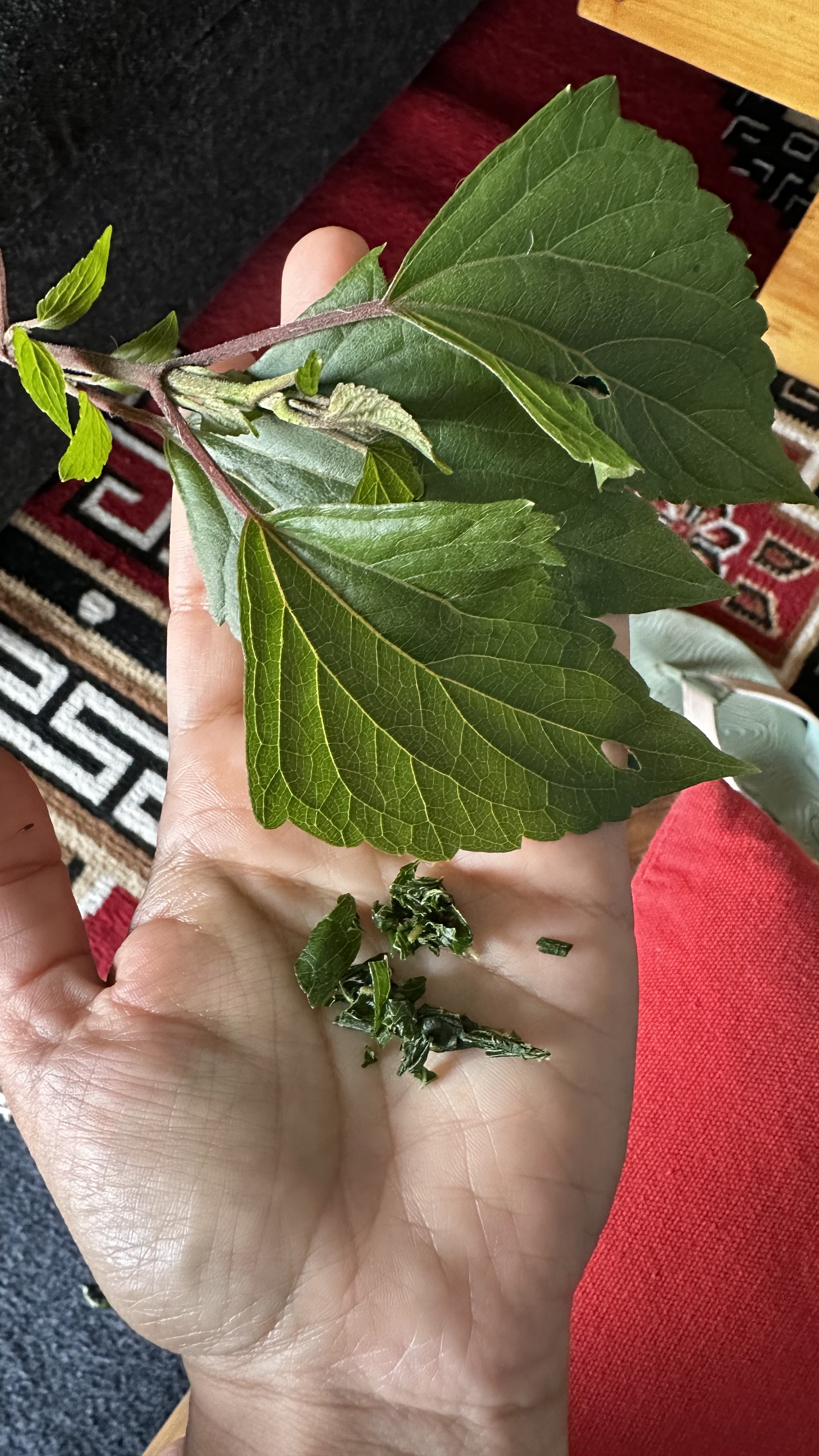
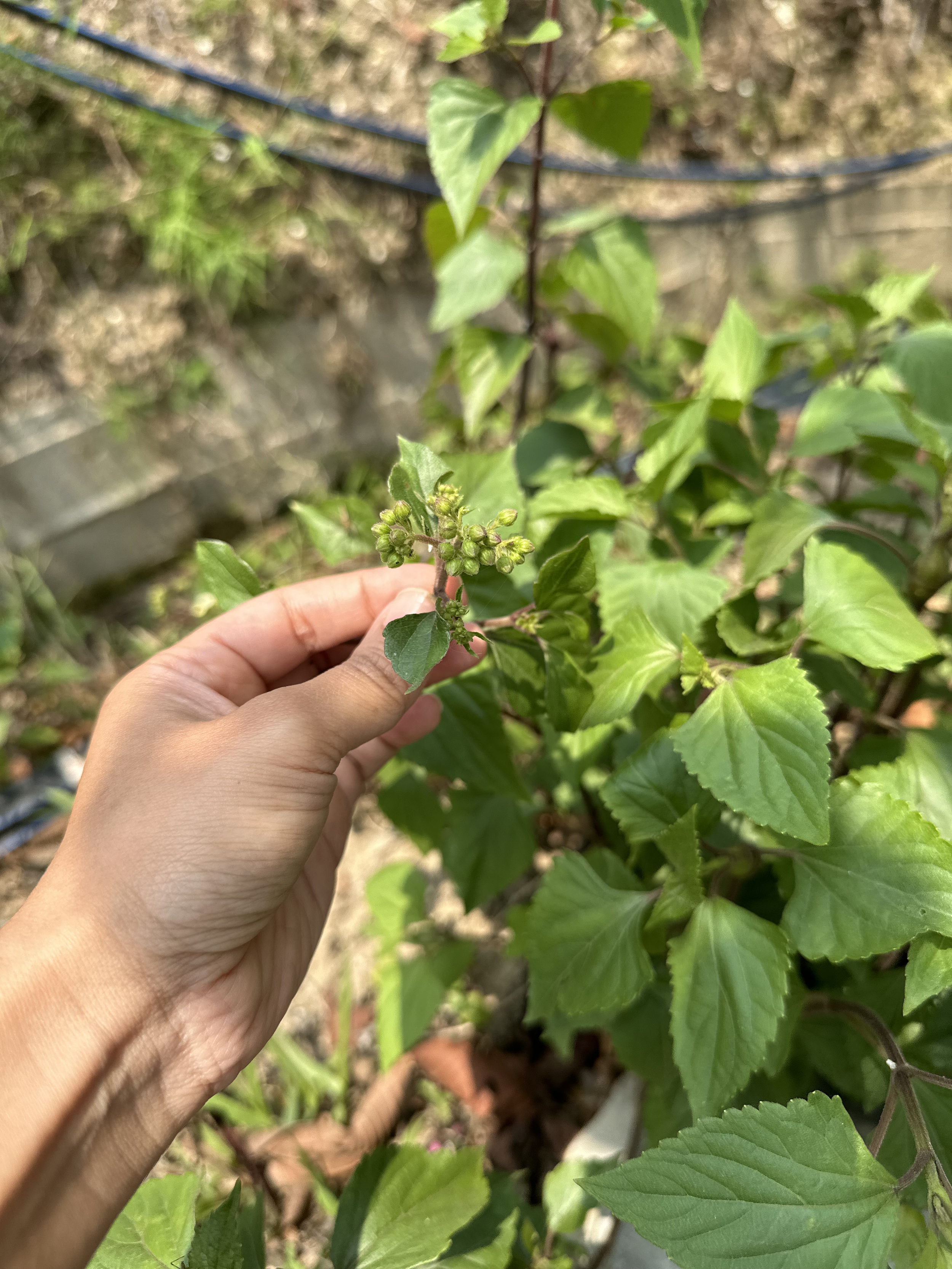
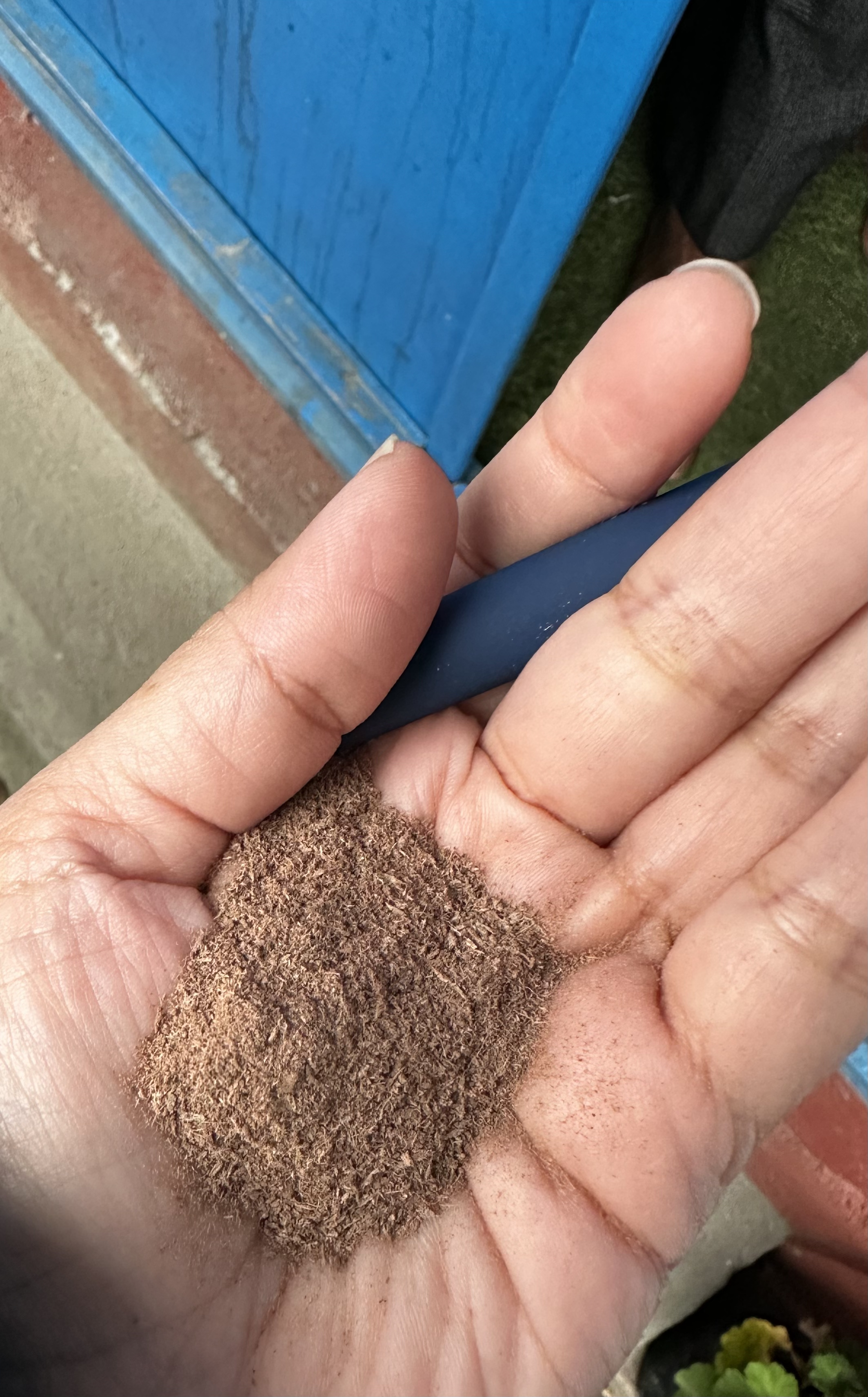
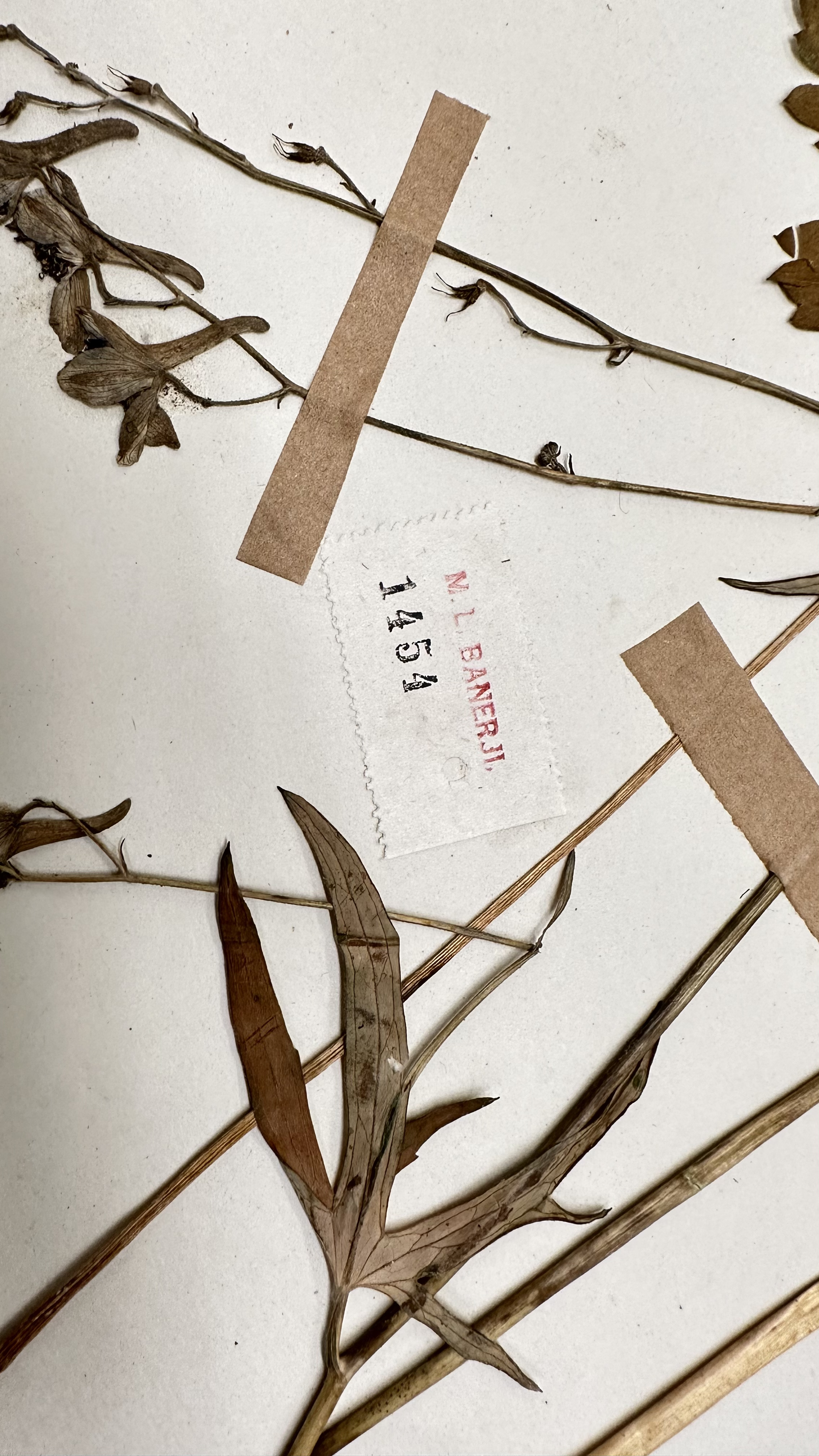
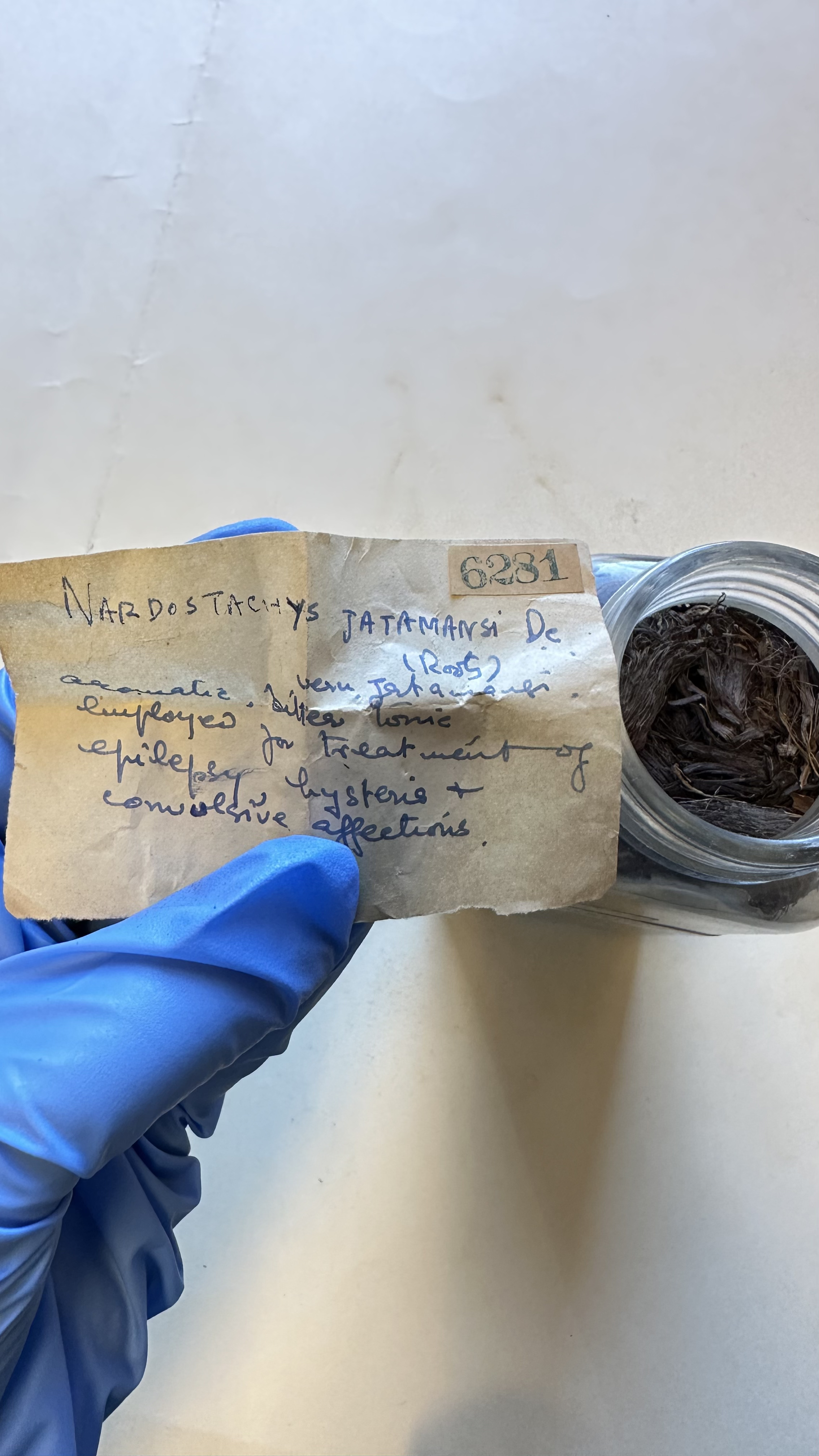
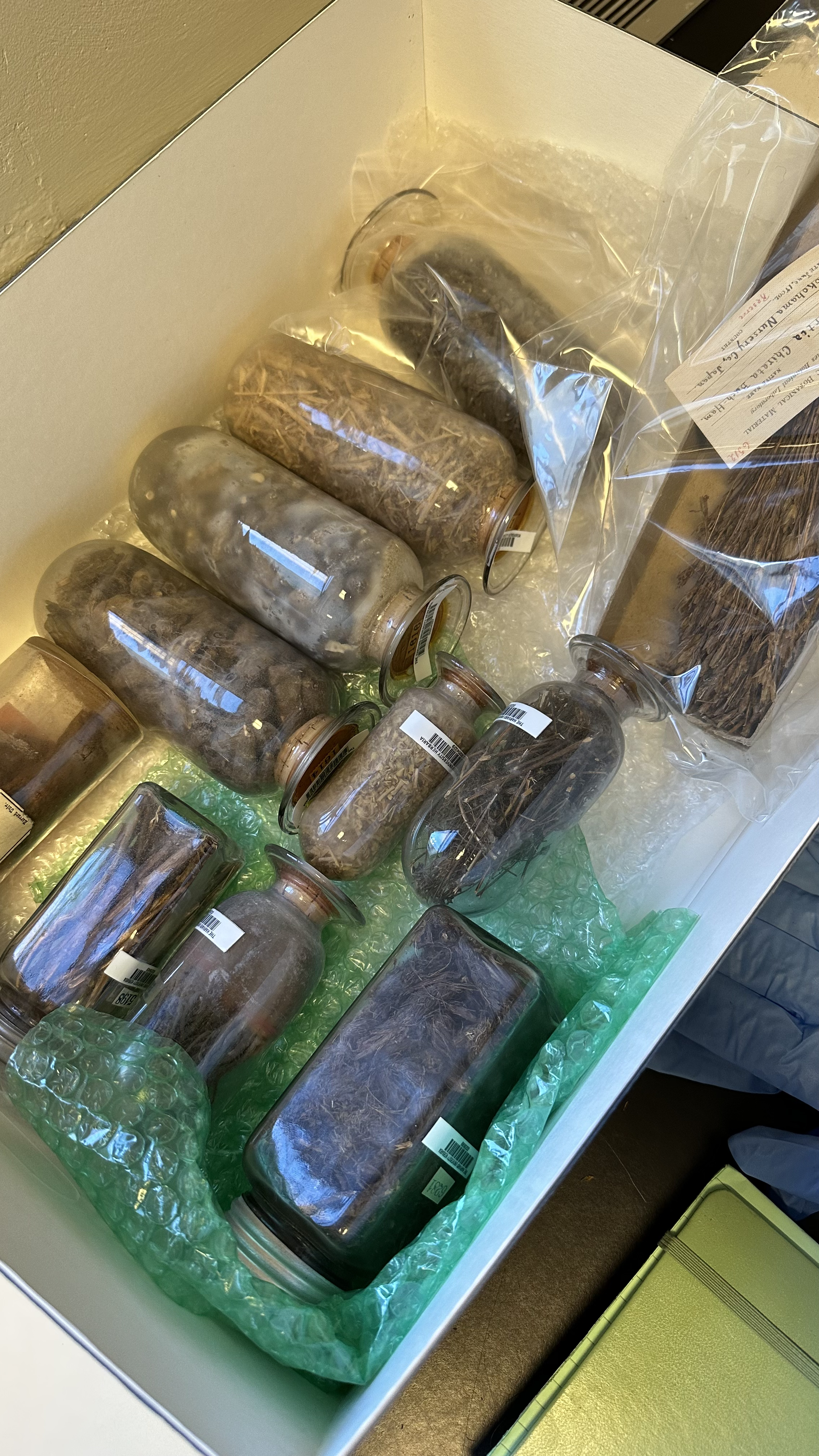
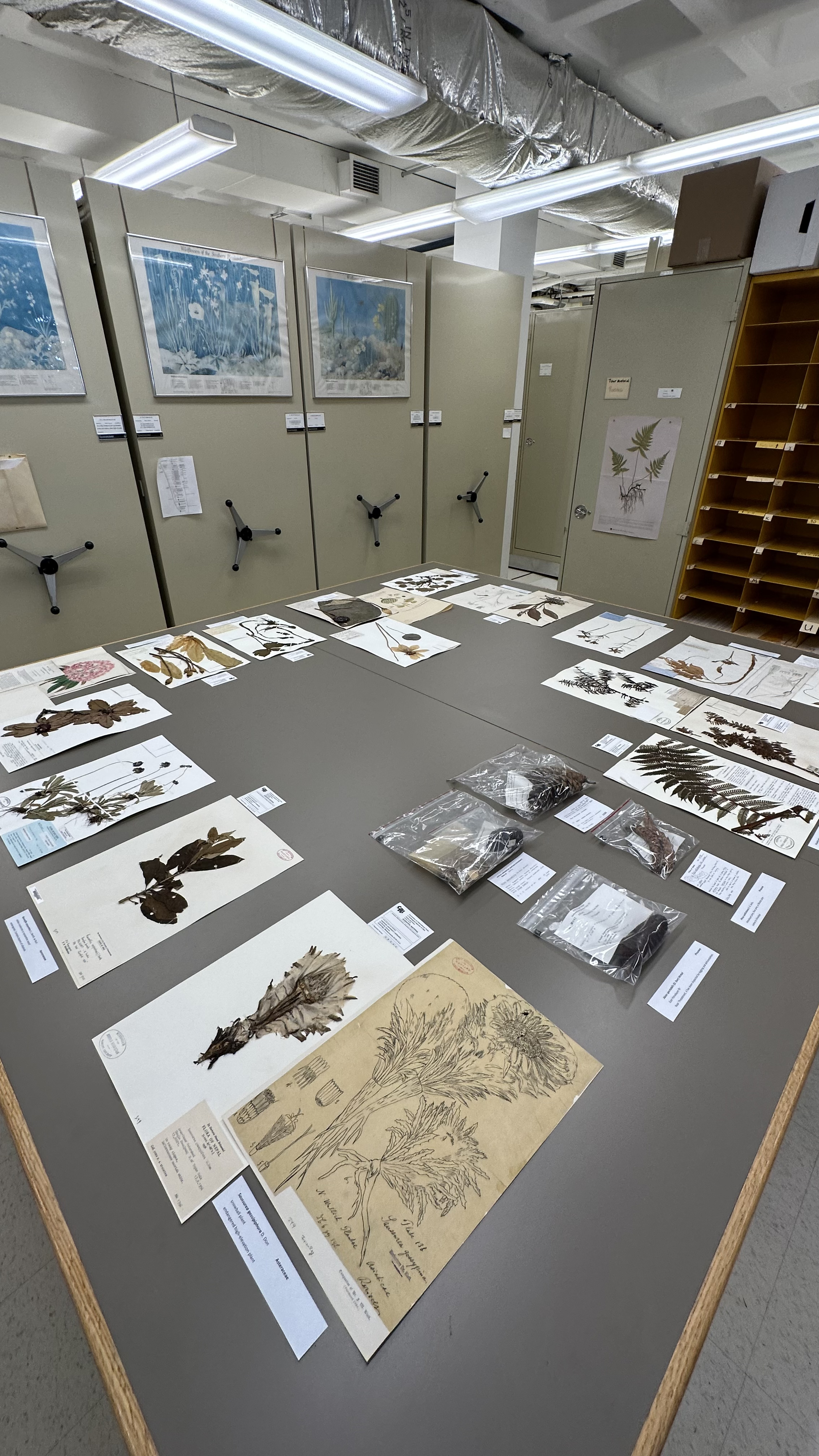
In 2023, during a fellowship at Harvard University, Garima Gupta worked at the Harvard Herbaria surrounded by specimens from a curious archive titled “Economic Plants from the Trans-Himalayan Belt.” Plants, traded for millennia as medicine, for Ayurvedic, Tibetan, Unani and Chinese traditions—carry with them histories of cross border movement, ideas of value, and a message of care for our animal physiology and psychology.
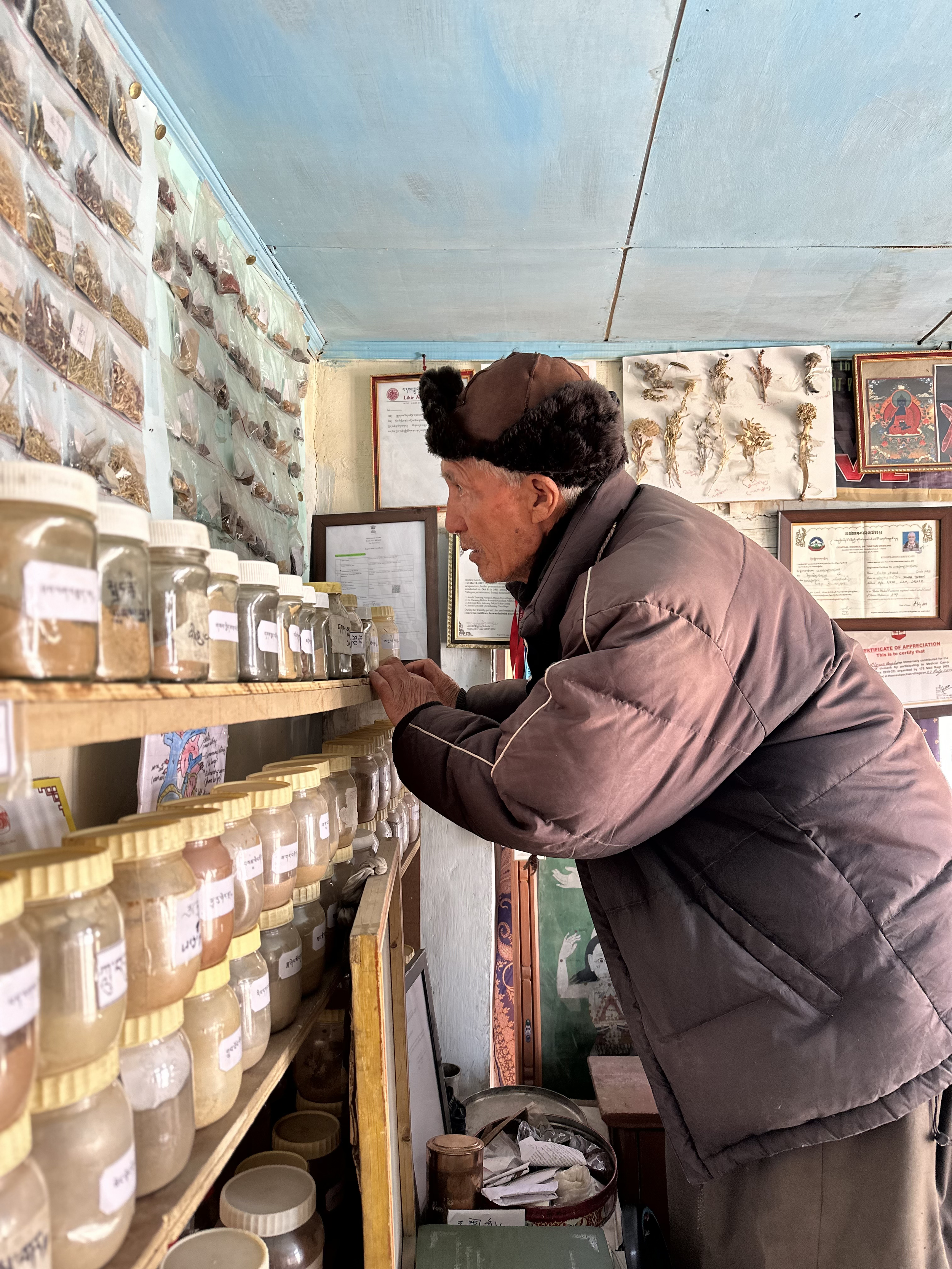
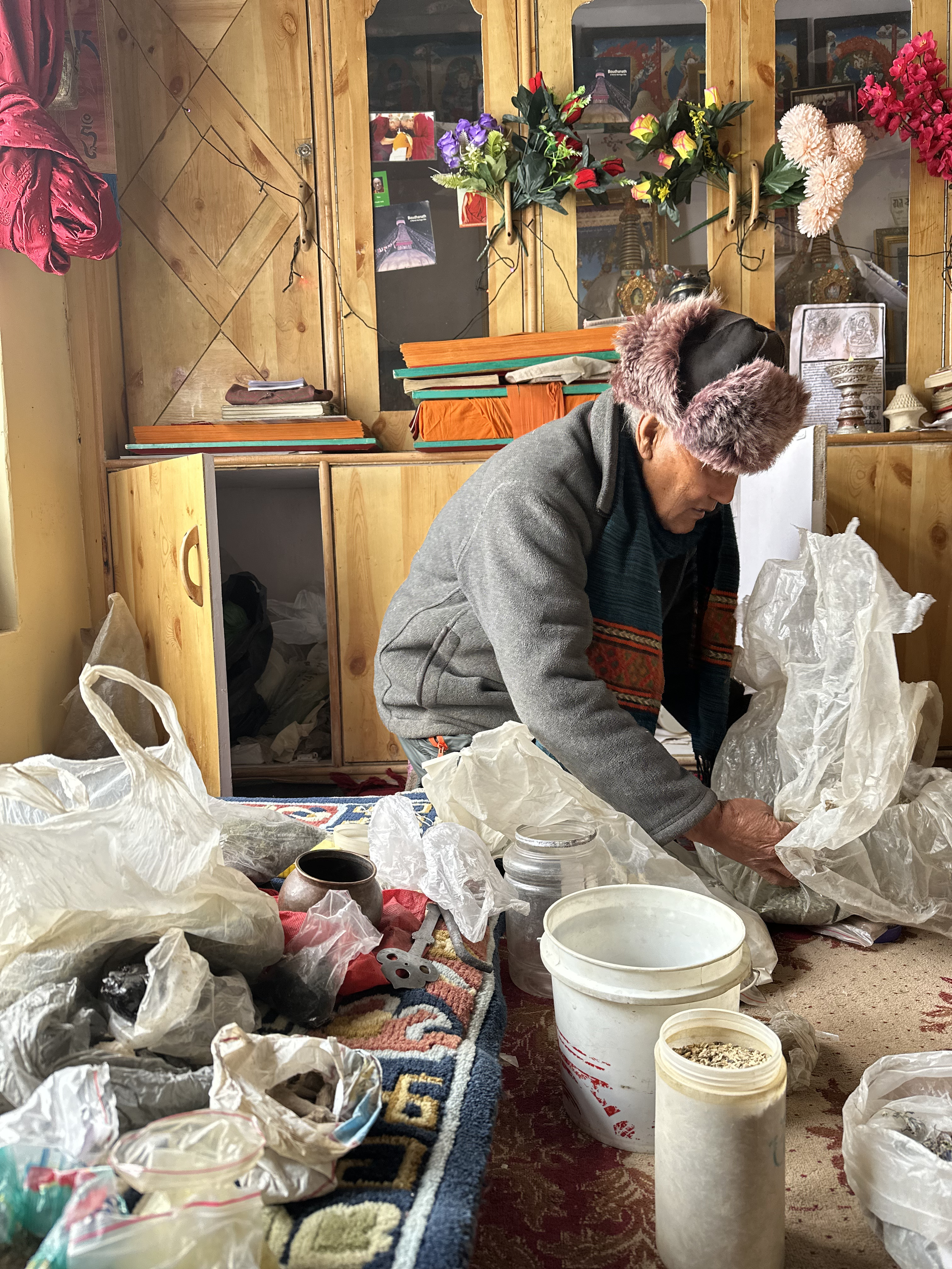
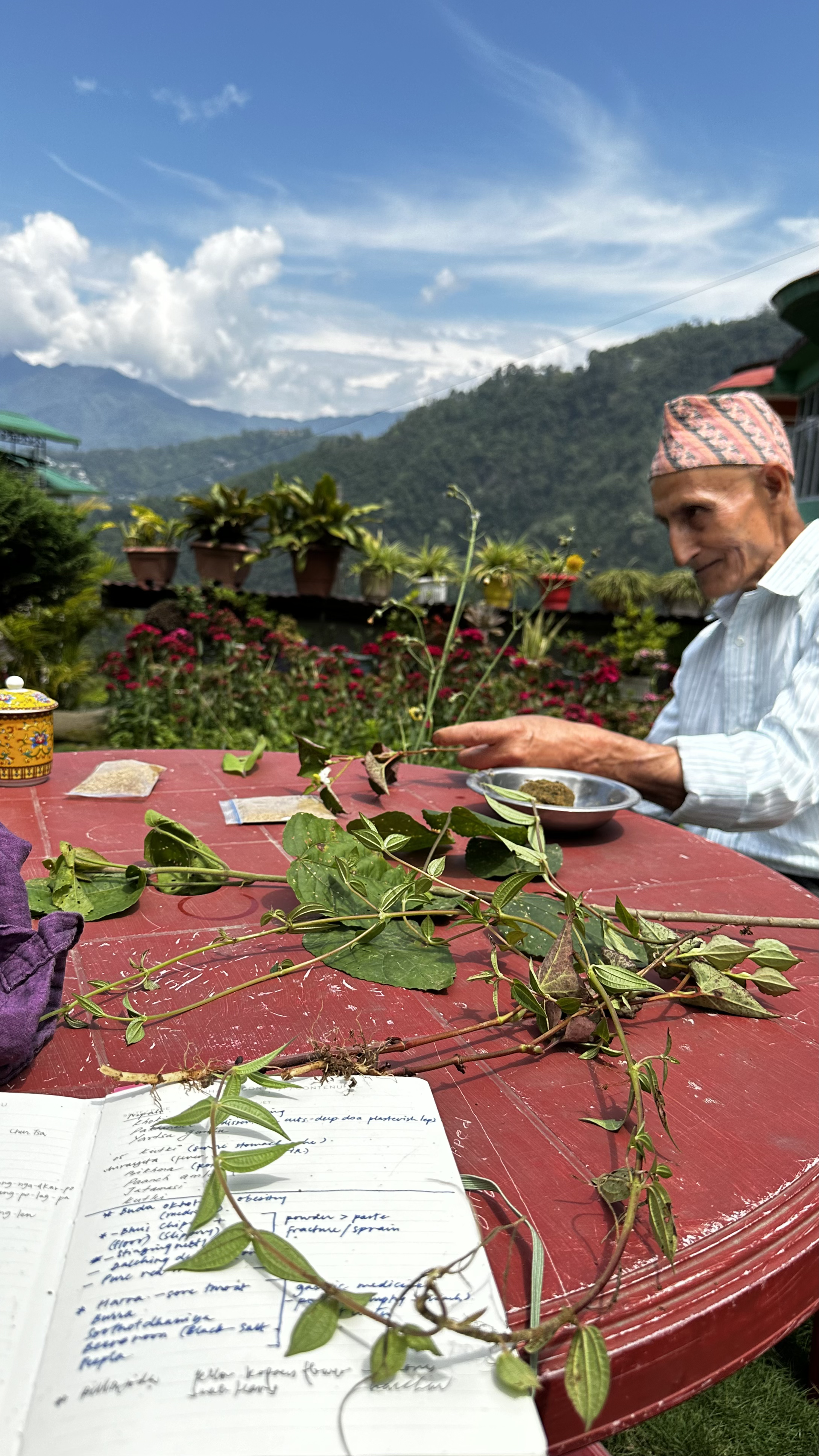
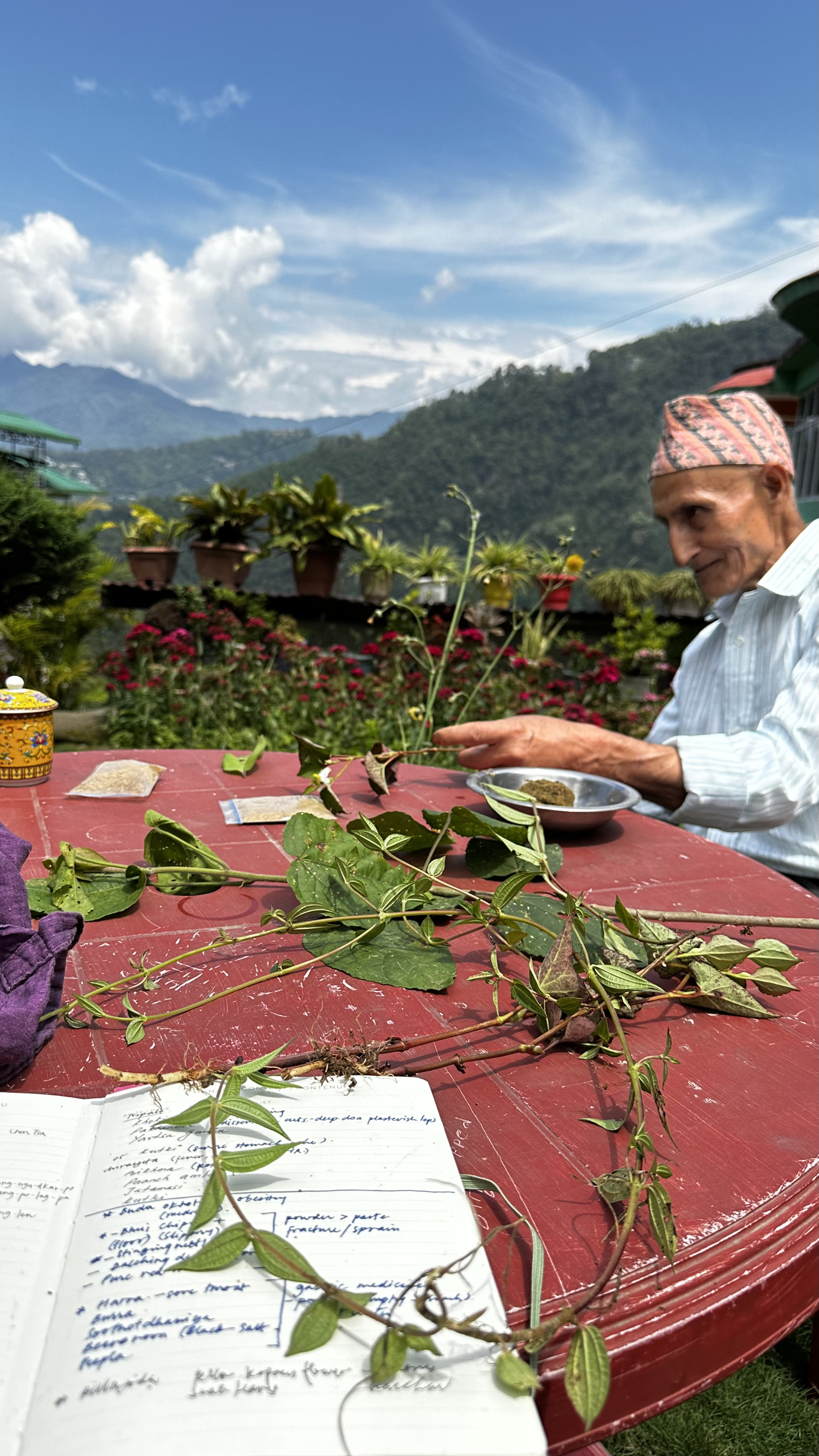
Her research and fieldwork conducted since 2023 in trans-Himalayan geographies (Ladakh, Sikkim, Kalimpong and Darjeeling) explores the socio-political and cultural lives of these plants as they navigate human maladies, medicinal knowledge systems, capitalism, climate urgency as well as bio-piracy.
This inquiry foregrounds the unique medicinal knowledge systems as practiced by hakims, vaids, amchis, and shamans of the region, alongside the fragility of the Himalayan geology that enables this unique and healing plant intelligence.
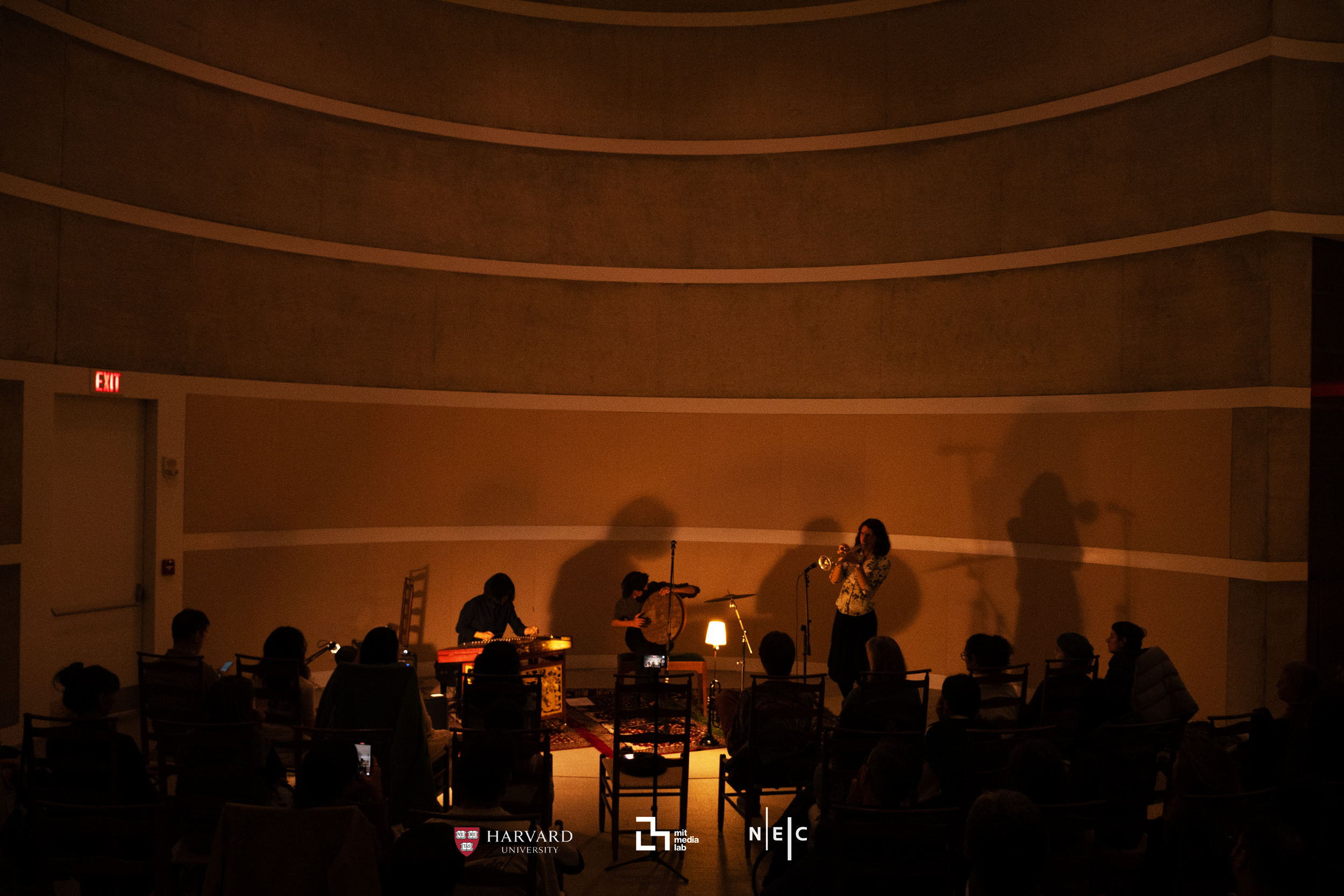
Expanding on this line of inquiry, Gupta is currently collaborating with Pravah Khandekar, a Harvard alumni and a Dhrupad musician to explore the many unique facets of this research as improvised sonic and musical performances, collaboratively devised with multi-cultural artists and musicians from the Silk Road Global Music community, (Boston), the Opera of the Future Lab at MIT (Boston) and The New England Conservatory (Boston).

In this live encounter, with inter-play of musical improvisations that listen for the entanglements of human and non-human life, sound becomes a way of ‘knowing’ that moves past the authority of scientific method, opening other channels of sensorial meaning making.
As Francis Zimmermann writes in The Jungle and the Aroma of Meats, “medicine is a form of politics.” We enter this politics through sonic vibration, breath work, and aural interjections—mapping the recessees of human experience such as placebo, faith, belief, and thought as curative forces.
The clinic emerges as a site: a stage where power structures between healer and sick body and norms of health are rehearsed, enforced, and desired, and where the promise of becoming socially acceptable and able is quietly negotiated. Against this architecture of care, we sound the body’s hidden registers—its doubts, hopes, and animal instincts through the tensions in improvizations.
Finally, they turn toward the trans-Himalayan geology, whose unique ecologies generate plant intelligences attuned to our animal bodies and psychic states, revealed through in-situ projections of research material.
In assembling a seven-member improvisatory ensemble, this work attends to the relational nature of making art, recognizing that, in its own way, it set the conditions for an ecological experience—one that emerges not from the individual, but from the collective.